 由 caicai8478
 Luck’s pivotal influence in gambling can chance determine your fate
The Nature of Luck in Gambling
Luck has always played a central role in gambling, influencing the outcomes of games and the fortunes of players. While skill and strategy can enhance a player’s chances, the inherent randomness of gambling means that luck often prevails. Players find themselves at the mercy of chance, where a single roll of the dice or flip of a card can change everything. This unpredictability is what makes gambling so exhilarating and, for many, so addictive. Many enthusiasts are now exploring the benefits of engaging with an online casino to enhance their experiences.
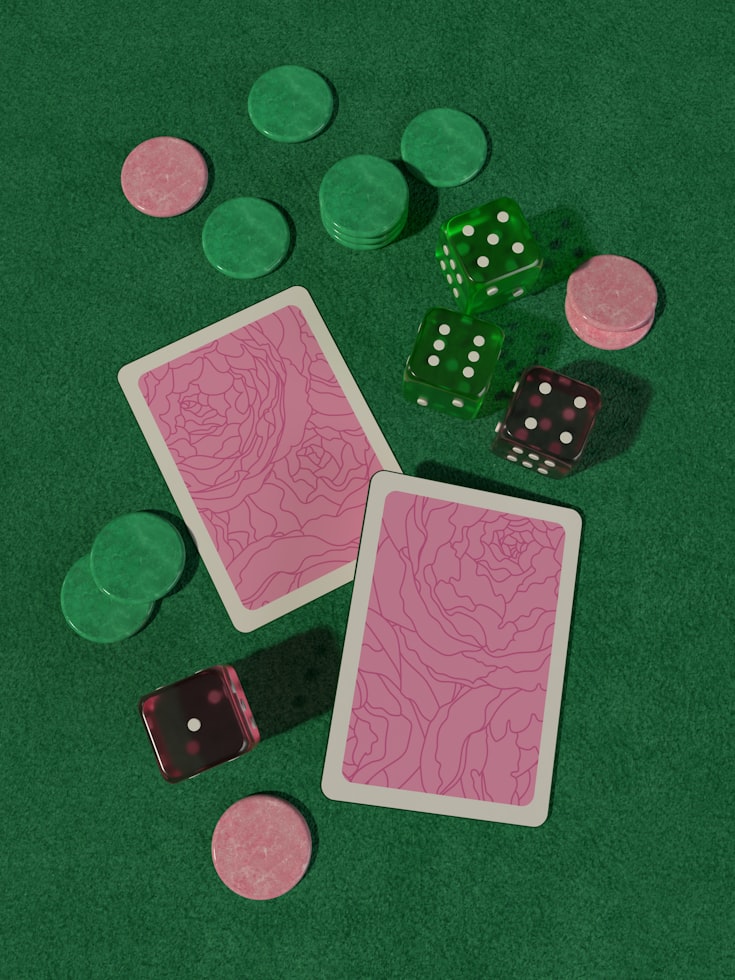
In essence, luck embodies the uncertainty and thrill that draws millions to casinos and online gambling platforms. While some argue that luck is merely a perception, it is undeniable that the whims of chance can lead to both remarkable victories and devastating losses. Understanding the role of luck allows players to adopt a healthier attitude toward gambling, acknowledging both the excitement and risks involved.
Historical Perspective on Gambling and Luck
The history of gambling reveals a long-standing relationship between luck and risk-taking. From ancient civilizations that used dice to modern-day casinos, luck has been revered and feared. Early gambling practices often intertwined with religious beliefs, suggesting that luck was a divine influence. This historical context highlights how luck has shaped societal perceptions of gambling across cultures and eras.
Throughout history, games of chance have evolved, yet the element of luck remains unchanged. As societies developed, so did the complexity of gambling games, but the core belief that luck governs outcomes continued to thrive. This persistence underscores the importance of luck, not just as a game mechanic, but as a cultural phenomenon influencing attitudes toward chance and fate.
Psychological Aspects of Luck in Gambling
The psychological effects of luck in gambling are profound and multifaceted. Many players attribute their wins to skill and their losses to bad luck, creating a cognitive bias that can influence future betting behavior. This mindset can lead to the “gambler’s fallacy,” where individuals believe that past outcomes affect future probabilities, despite each event being independent.
Moreover, the thrill of winning—often perceived as an act of luck—can trigger intense emotional responses, reinforcing the desire to keep playing. This cycle of hope and disappointment can result in behaviors that blur the line between recreational gambling and addiction, making it essential for players to understand their relationship with luck and chance.
Strategies to Manage Luck and Risk
While luck is unpredictable, players can adopt strategies to manage their gambling experience. Setting limits on time and money can help mitigate the potential negative impacts of luck on one’s finances and mental well-being. Understanding the odds of various games can also empower players to make informed decisions, balancing their pursuit of luck with calculated risk.
Additionally, recognizing the difference between luck and skill can foster a healthier approach to gambling. Players should embrace the role of luck while also honing their skills in games where strategy plays a significant role. This balanced perspective can enhance enjoyment while reducing the likelihood of negative consequences stemming from gambling.

Community Insights on Luck and Gambling
Engaging with a community of fellow gamblers can enrich one’s understanding of luck’s role in gambling. Sharing experiences and strategies allows players to gain different perspectives, enhancing their approach to games of chance. Online forums and social platforms dedicated to gambling provide a space for discussions about luck, offering support and insights that can lead to more responsible gaming habits.
In this digital age, resources are abundant, making it easier for players to connect and learn from one another. Engaging with a community can also reinforce the idea that gambling should be a fun and social activity, rather than a source of stress or anxiety. By participating in these conversations, players can better navigate the complexities of luck and chance in their gambling endeavors.