 由 caicai8478
 Whoa! This is one of those tools that quietly fixes annoyances. I mean, seriously? I used a half-dozen wallets before I landed here. At first I thought browser extensions were all the same, but that changed when I nearly made a costly mistake on a DeFi trade — oof. My instinct said the UX would be the hill to die on, but then I noticed the small controls and confirmations that stopped me from clicking carelessly, and that shifted everything.
Here’s the thing. Rabby pays attention to the tiny, easily ignored steps that keep funds safe. The little confirmations, the connection controls, and the clearer account isolation add up. Initially I thought the wallet was just another UI refresh, but then I realized the protections actually reduce cognitive load during hectic trades. On one hand I wanted speed; on the other hand I needed safety—though actually the two can coexist when the extension is designed thoughtfully. I’m biased toward tools that respect both speed and guardrails.
Okay so check this out—installation matters. Start from a trustworthy source. I recommend the official extension listing or the verified download page linked below because impersonators are out there, and they look slick. Somethin’ about copycats makes me uneasy, and you should be too, especially if you’ve ever used a public Wi‑Fi at a coffee shop or a conference. That said, the install itself takes a minute and the onboarding walks you through seed phrases in a no-nonsense way, which I appreciate.
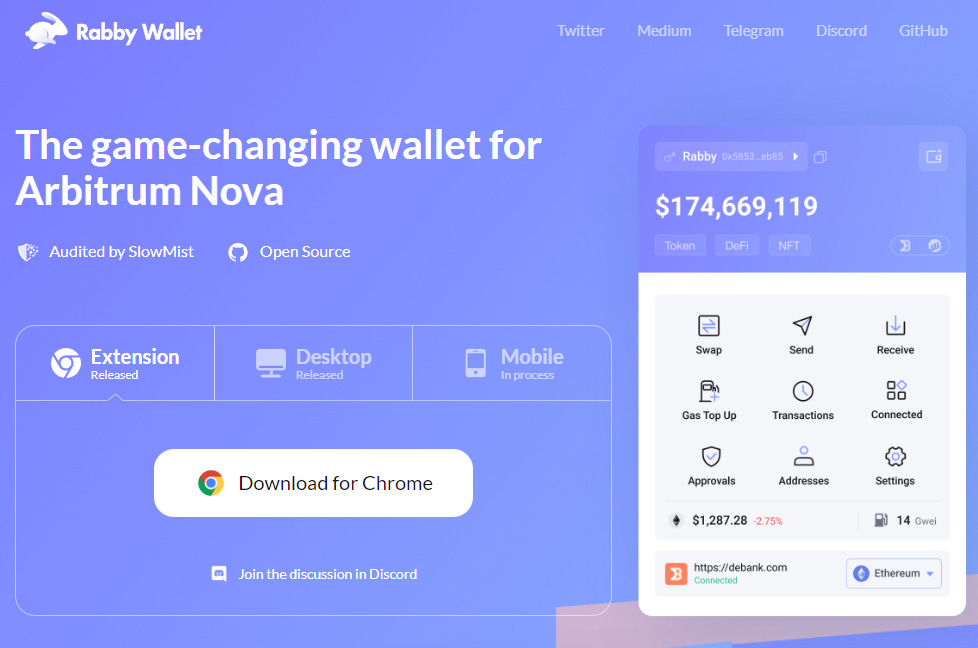
Why a browser-extension wallet like Rabby matters
Short answer: convenience without as much risk as you’d expect. Longer answer: browser wallets live at the intersection of frequent use and targeted attacks, so design choices matter. Rabby splits accounts, isolates approvals, and offers clear transaction previews so you can actually understand gas and token flows before you sign. Initially I thought transaction metadata was fluff, but then a bad swap taught me to read details—now I trust the wallet more when it surfaces those things prominently. On the whole, it trims the chance of accidental approvals while keeping UX smooth for power users and newcomers alike.
Something bugs me though—people still rush through approval dialogs. Really. You’d be surprised how often the native prompts hide important allowances. Rabby tries to make those allowances explicit, and if you take the two extra seconds to glance, you avoid a lot of hassle. My experience trading NFTs and using liquidity pools tells me the small habit of checking approvals saves headache. Also, the wallet supports multiple chains without shoehorning you into one mental model, which helps if you roam between Ethereum mainnet, testnets, and various L2s.
How it handles security (the parts that actually matter)
Hmm… security isn’t sexy, but it’s crucial. Rabby keeps the private key encrypted in the extension and offers clear controls for importing or creating accounts. On the other hand there’s no such thing as a perfectly safe extension, and you should treat every browser as a potentially vulnerable environment—so use a hardware wallet for large holdings, seriously. Initially I thought browser-based storage would be fine for mid-size positions, but a few phishing attempts on me convinced me to move cold storage off the browser when things got heavy. That’s the practical rule I follow: small to medium in extension, large in hardware.
Also: the transaction preview is a real win. It breaks down slippage, recipient, and token flows in a way that makes sense even mid-trade, which reduces the dumb mistakes. On some other wallets you get a wall of hex and hope—you know the drill. With Rabby, you see what you sign, which is very very important if you’re bridging or dealing with permit approvals. The UI nudges you to revoke allowances later, and that alone has stopped a few potential headaches for me.
Installing Rabby Wallet (safe checklist)
Download from the official source. Click the extension store listing and verify the publisher if possible. Or use this direct recommended page for the extension: rabby wallet. After installation, write your seed phrase on paper and tuck it away—do not screenshot it, do not email it to yourself. Sounds basic, I know, but nearly every recoverable loss I’ve heard about involved a careless backup.
When you set up, create a password that’s unique and strong. Link a hardware wallet if you plan to hold meaningfully sized assets, and enable any extra privacy features available. Test with a small amount first—send a few dollars of ETH or a token you don’t mind losing, to make sure the flow matches your expectations. I did that once in a Brooklyn co-working space and it saved me from a misrouted token transfer. (oh, and by the way… always double-check the network selection before confirming.)
Power features for DeFi users
Rabby packs conveniences for pros. Account grouping lets you separate funds by purpose—trading, staking, long-term hold—so approvals are scoped. The built-in gas controls and suggested optimizations help when the network gets chaotic. Initially I used custom gas every time, but Rabby’s presets are smart enough that I’ve saved money without sacrificing speed. On the flip side, if you’re a low-level user, some of this feels like overkill, though it’s easy enough to ignore more advanced options.
Another useful part: clearer dApp connection management. You can see which sites are connected and revoke access in seconds. That matters after you link to twenty different projects at an event or during an airdrop frenzy. My instinct says to revoke after each session for peace of mind, but realistically I only revert the critical ones—still, the wallet makes that choice painless. Small tools that reduce friction are the ones I stick with.
Frequently asked questions
Is Rabby Wallet safe for everyday use?
Short: yes, for small to medium day-to-day operations. Long: it offers robust UX safeguards and encryption, though you should still use hardware wallets for large holdings and follow basic hygiene like verifying downloads, backing up seeds offline, and reviewing transaction details before signing. My experience says the extension reduces common mistakes, but it doesn’t replace good practices.
Can I use Rabby across multiple browsers and devices?
Yes, but avoid syncing sensitive data over cloud browser profiles unless you understand the risks. Export seeds carefully and prefer hardware or encrypted backups for serious holdings. I’m not 100% sure about every sync edge-case, but the general rule holds: keep critical keys off questionable sync services.