 由 lltx1822
 Whoa!
Okay, so check this out—I’ve been juggling Solana wallets and extensions for a while now.
My first reaction was a shrug.
Seriously?
Then I actually used Phantom to move some SPL tokens, and something felt off about how fast it was.
Hmm…
Initially I thought speed equaled convenience.
Actually, wait—let me rephrase that: speed is great, but when you’re transacting value you want clarity and a sense of control too.
On one hand Phantom keeps the UI clean.
On the other hand, though actually there’s nuance in approval flows, network fees, and how DeFi dapps request permissions, which can trip up new users and even seasoned traders when a prompt isn’t clear.
I’ll be honest—this part bugs me.
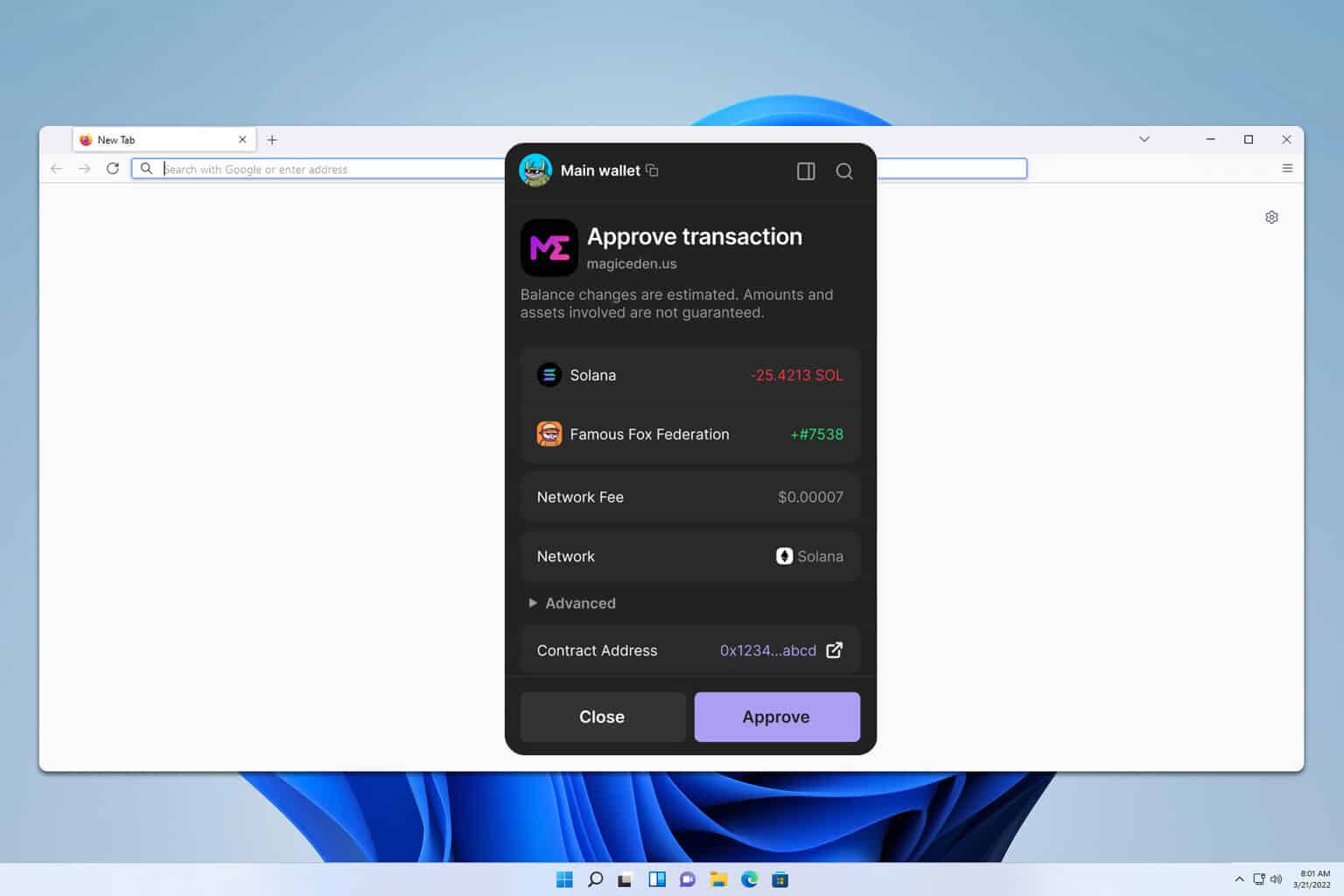
The wallet shows a permission modal, you click fast, and then later you realize a program can move tokens under certain conditions.
That kind of thing is very very important to watch.
So here’s the practical side.
If you’re installing a browser extension wallet on Chrome or Brave, treat it like adding a keyring to your browser—think of the extension as both a convenience tool and an attack surface.
First, download from the official source.
For Phantom you can get the extension directly from their verified page and avoid shady clones.
Verify the extension’s publisher, check reviews, and compare the extension ID if you know how.
Don’t rush through the seed phrase setup.
Write it down on paper, not in a Google Doc or a random note app that syncs to the cloud.
Seriously?
Yes.
Hardware wallets still matter.
If you’re holding more than a small trading fund consider integrating a Ledger with Phantom or keeping the majority offline.
My instinct said use a hardware wallet years ago, and I’m still glad I did.
Okay, so check this out—connecting Phantom to DeFi apps is usually smooth.
But watch the network: Solana has multiple clusters like mainnet-beta and devnet and sometimes you can accidentally be on the wrong one.
That is somethin’ people trip over.
Approve only what you expect.
Revoke unused approvals with a manager tool or the wallet UI if it offers that.
Also, gas isn’t the same on Solana as on Ethereum.
You still pay transaction fees, but they are tiny compared to L1s that rely on expensive calldata.
This changes trade patterns and UX expectations.
However, network congestion or program errors can cause retries; be patient and read the error.
Troubleshooting is part craft, part patience.
Clear cache, restart browser, confirm cluster, and if something still fails try signing again or use a different RPC.
Sometimes the dapp is at fault.
Other times the RPC provider is overloaded.
And occasionally it’s a wallet bug that needs an update.
Updates matter.
Check extension release notes before upgrading if you manage many wallets.
Sometimes updates change UX in ways that surprise users and you want to know ahead of time.
Use testnets for big changes.
Move a small amount first.
Where to get Phantom safely
If you want the extension, go straight to the official source and avoid copycats.
Grab phantom from their verified page here: phantom.
Only one link, right—so use it.
I’m biased, but I prefer the extension over web wallets for daily DeFi interactions since it’s quicker and fits my workflow.
In practice you’ll want a workflow: small hot wallet, hardware-secured cold wallet, and clear rules for approvals.
Practice recovery drills.
Write down seed phrases, store them in multiple secure places, and consider redundant backups.
Be skeptical of airdrops and unsolicited token approvals.
If you’re new, start with tiny amounts and learn the flow.
I’m not 100% sure about every future change, but this framework has kept my funds safer while letting me use Solana DeFi daily.
Okay—feel more confident now?
Good.
Common questions
How do I revoke approvals?
Open Phantom’s settings or use a third-party approval explorer to see and revoke program permissions.
What about Ledger support?
Phantom supports Ledger integration so you can confirm transactions on-device which adds a strong hardware-based safety layer.
That said, keep your firmware updated.